|
 |
 |
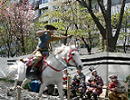
| www.Yabusame |
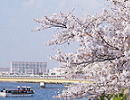
www.Sakura Festival |
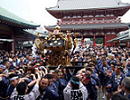
www.Sanja Matsuri |
|
|
|
 |
 |
 |
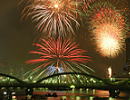
| Sumidagawa River Fireworks |
Tokyo Jidai Matsuri |
Torinoichi |
|
|
|
|
1st : Hatsumoude
It is the first-shrine-visit of the New Year
in Japan. Some people visit a Buddhist temple
instead. Asakusa Jinja Shrine and Sensouji
Temple have a few millions of visitors over
the three days, January 1st, 2nd and 3rd.
It is only some percentage of 40 million
people throughout the year. |
|
7th : Daikon Matsuri
One of the 7 gods (kamisama) of Asakusa,
Matsuchiyama Shouten, loves radish (daikon
in Japanese). |
|
8th : Tondo Yaki
Burning old to be re-born, let's get new
year started in happiness at Torikoe Jinja. |
|
| FEBRUARY 2012 |
|
3rd : Setsubun-e
Male entertauners and celebrities (usually
big Sumo wrestlers) who have close bond to
Asakusa, they throw roasted-soybeans to drive
out evil spirits. Held at Sensouji Temple. |
|
3rd : Fukuju no mai
Seven gods of good fortune do dance at Sensouji
Temple. |
|
8th : Harikuyo
Memorial service for broken needles and pins
at Sensouji Temple. |
|
26th : Edo Nagashibina
This traditional ceremony is a seasonal event
of early spring on Sumidagawa River to wish
for children's good health by washing the
sins of the body away on a river along with
paper dolls. |
|
26th : Tokyo Marathon 2012
One of the largest mass races in Asia. About
35,000 marathon runners throughout the corse
from the Tokyo Metropolitan Government to
Tokyo Big Sight. |
|
| MARCH 2012 |
|
18th : Kinryu no mai
Dedicatory of golden dragon dance is performed
in Sensouji Temple, which is based on the
legend that 1000 pine trees from the heavens
suddenly appeared overnight near the temple
on March 18th, 628. |
|
17th and 18th : Funatogyo
700 years anniversary of Sanja Matsuri will
be held on Sumida River, 13 Japanese boats
will load Shinto priests, Buddhist monks,
Kinryu-no-mai, Shirasagi-no-mai, Oharashi,
Kagura and more. It will be first time in
more than 50 years to see this on-the-river-festival,
so pleas do not miss this rare chance. |
|
Late March till Early April : Sakura Matsuri
The main event in spring is cherry blossom
viewing. A lot of folks have parties under
cherry trees in Sumidagawa Riverside Park.
Best shot for Sky Tree (new Tokyo Tower)
as well. |
|
| APRIL 2012 |
|
8th : Shirasagi no Mai
The origin of this ceremonial dance is found
in a historic picture scroll owned by Sensouji
Temple, dressed in the traditional attire
of Heian period and the costume that represents
white herons. |
|
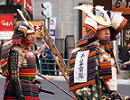
15th : Yabusame
Yabusame or the horseback archery had been
practived as a New Year event in the Edo
period. Yabusame takes place every year in
Sumida Park, a parade will start from Denbouin
Temple to Sumida Park. |
|
Late April : Naki Sumo
"Best cry, grow fast" as in Japanese
saying. Sumo wrestler tries not to make them
smile but cry. Please bring your baby?! |
|
| MAY 2012 |
|
5th : Takara no Mai
The treasure dance which celebrates the blessings
and goodness of the Kannon, the treasure
ship (called Takarabune) is pulled by children
of kindergarden. |
|
18th, 19th and 20th : Sanja Matsuri
It is counted among the three great festivals
originated in Edo and still remains as the
important event of Tokyo. The excitement
of the carriers of miniature shrines represents
the energy of the capital city. |
|
22nd : Tokyo Sky Tree Grand Opening
The new Tokyo Tower officially open on May
22nd, 2012. Short walk distance from Asakusa. |
|
25th : Edo Shobo Ireisai
To pray for those who lost their lives in
the line of their duties (fire fighter),
traditional ceremony inherited from Edo period. |
|
| JUNE 2012 |
|
Early June : Torikoe Matsuri
Torikoe Jinja Shrine holds a festival and
its highlight of outstanding Mikoshi which
is known as the heaviest (it weighs 4 tons)
one in Tokyo. Lanterns are hung on the Mikoshi
and it returns to ths shrine surrounded by
highly held lanterns. |
|
| JULY 2012 |
|
Early July : Shitamachi Tanabata Festival
Star festival is held in Kappabashi-hon dori
street. People decorate branches of bamboo
with strips of paper and write their wishes
on them. |
|
Early July : Iriya Asagao Matsuri
Started in the Edo period. This Morning Glory
(Asagao) Festival attracts about 400,000
visitors every year to Iriya Kishibojin Temple.
It is one of the seasonal charms of summer. |
|
Mid July : Hoozuki Ichi
About 250 stalls will ne set up to sell ground
cherry pods and wind-bells within the Sensouji
Temple grounds. People in Yukata stroll around
the temple and the air will be filled with
festive atmpsphere touched by the breezy
sound of wind-bells. |
|
28th : Sumidagawa River Fireworks Festival
It is one of the largest and most famous
fireworks festival in downtown Tokyo. In
addition to the display of traditional fireworks,
the program also includes a competitive presentation
of various new styles created by Japan's
top class fireworks craftsmen (in the festival
site 1 near Sakura Bridge area). |
|
| AUGUST 2012 |
|
Early August : Taito Takigi Noh
Even fire displayed aside the stage feels
some special sort of spirits while the Noh
performance is held. |
|
August : Tourou Nagashi
Pray for peace. Your warm thoughts flows
back into mother nature, Pacific Ocean and
onwards (to whole universe). |
|
25th : Asakusa Samba Carnival
It is a popular summer tradition in Asakusa.
The highlight of the event
is a spectacular
parade of dancers in colorful
costumes, including
those from Brazil, the
birthplace of samba. |
|
| SEPTEMBER 2012 |
|
September : Asakusa Tourou-e
Lantern light brings you into the spiritual
world. |
|
| OCTOBER 2012 |
|
October 15th till November 15th : Asakusa
Kikukaten
Chrysanthemum, Kiku in Japanese, has special
meaning to Japanese hearts. Most seen flower
in grave yards, and of course on front page
of Japanese passports. |
|
18th : Kinryu no mai
Dedicatory of golden dragon dance is performed
in Sensouji Temple, which is based on the
legend that 1000 pine trees from the heavens
suddenly appeared overnight near the temple
on March 18th, 628. |
|
| NOVEMBER 2012 |
|
3rd : Tokyo Jidai Matsuri
You can experience the great historic culture
of Edo, Tokyo in this parade. |
|
3rd : Shirasagi no mai
The origin of this ceremonial dance is found
in a historic picture scroll owned by Sensouji
Temple, dressed in the traditional attire
of Heian period and the costume that represents
white herons. |
|
8th and 20th : Torino Ichi
It is an annual traditional festival held
at shrines and temples nationwide on set
days (rooster days) in November to wish good
luck and business prosperity, both days from
00:00 - 24:00 (24 hours! each day). |
|
| DECEMBER 2012 |
|
17th, 18th and 19th : Hagoita Ichi
About 50 venders gather at Sensouji Temple
to sell a variety of colorful hagoita (wooden
paddles) from ornamental ones to those for
children to play with. Authentic Kabuki actors
and popular celebrities are among the themes
featured on the decorative hagoita. |
|
19th and 20th : Hakidaore Ichi
Shoes festival. Great bargain to satisfy
your feet and legs. |
|
31st : Zojoji Temple Countdown
Famous balloon countdown for 2013 with monk's
preach. Let's start a good year of Hebi (Mi,
Snake) with 108 bells. |
|
31st : Joya no Kane
At midnight, people listen to Joyanokane,
bells which ring the old year out at Sensouji
Temple and Higashi Honganji Temple in Asakusa.
In Buddhist beliefs, human are born with
108 worldly desires which are removed when
the bell is struck 108 times. |